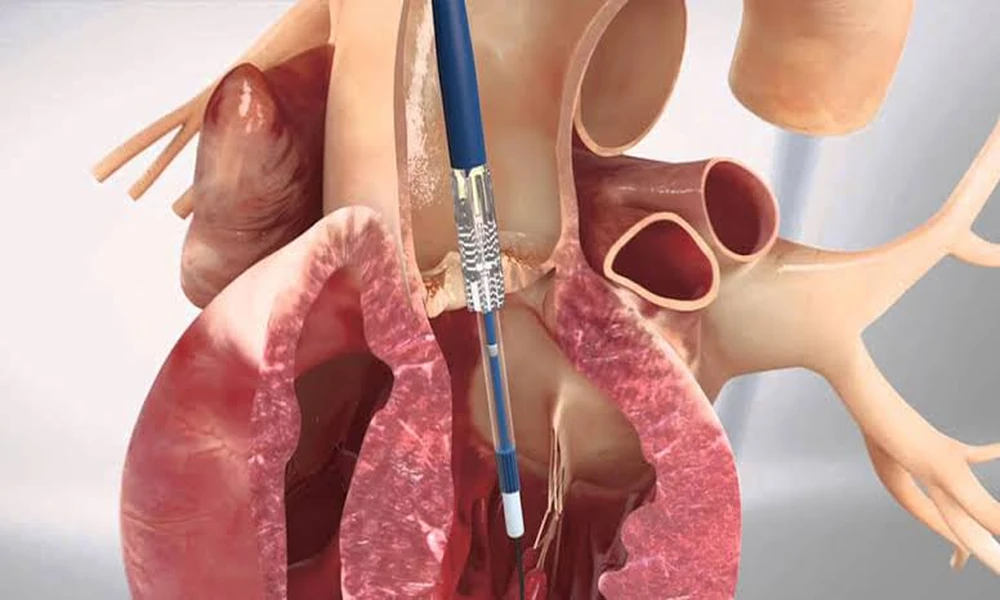
Every year, families across Nigeria, Kenya and Somalia are told that a relative needs a heart valve repaired or replaced, and that the procedure, or the particular technique recommended, is not readily available at home. India is one of the countries they look at, partly because of cost and partly because catheter-based options such as TAVI and TEER are now routinely performed in cities like Mumbai. Choosing heart valve replacement in India is a big decision, and most of the stress comes from not knowing the process. This guide walks through it step by step.
Step 1: Get your records reviewed before you book anything
The single most useful thing you can do is have a specialist team look at your reports before you spend money on flights. A good programme will ask for:
- The latest echocardiogram report, plus the original image or video files, not just a photograph of the report
- CT or angiography reports with the original scan files (DICOM)
- Operation reports, procedure records and discharge summaries from earlier treatment
- Current prescriptions, relevant blood tests and known allergies
- A referral note or summary from your cardiologist at home
Large echo videos and DICOM files usually cannot be emailed; the team will give you transfer instructions. If a relative or a referring doctor sends the records on the patient’s behalf, say so and confirm how consent is documented.
Be clear about what a remote review can and cannot do. It can tell you whether your condition appears to be one the team treats, which options might be considered, and whether travelling makes sense. It cannot confirm that you are eligible for a specific procedure such as TAVI; that often depends on an examination, fresh imaging and tests done after you arrive. You do not need to decide on a procedure before enquiring.
Step 2: Understand the options you may be offered
For aortic stenosis, the choice is usually between surgical valve replacement and TAVI (a valve placed through an artery, without opening the chest). The decision depends on anatomy, heart function and surgical risk, not on age alone. For mitral regurgitation, options range from medicines and monitoring to surgical repair or replacement, or TEER (MitraClip) in suitable patients. Ask the team to explain, in writing, which option they are considering for you and why, and what the alternatives are.
Step 3: Sort out the medical visa
Visa rules differ by country and change, so always check the official source before applying.
- Nigeria: find out whether your state is covered by the Indian High Commission in Abuja or the Consulate General in Lagos, and follow that mission’s medical visa checklist.
- Kenya: apply through the Indian High Commission in Nairobi or the e-Visa portal, where eligible.
- Somalia: check the current route with the Indian mission that handles Somali applications and allow extra time.
In all cases you will need an invitation or appointment letter from the receiving hospital; ask which documents the hospital can provide. A companion needs a separate medical attendant visa. An invitation letter does not guarantee approval, so do not book non-refundable flights until the visa is granted and the appointment is confirmed.
Step 4: Ask for a written cost estimate
Reputable centres will give a written estimate once they have enough information. Check whether it includes consultations, imaging and tests, the procedure itself, the implant (valve or device), medicines and hospital stay, and which items are extra. Flights, accommodation, a companion’s expenses and any extended stay are separate budget lines. The final figure can change after assessment, so keep a margin.
Patients from Kenya in particular tend to compare quotes closely; the pathway for heart treatment in India described for Nigerian patients applies in the same way to Kenyan and Somali patients, with only the visa route differing.
Step 5: Plan the trip
- The consultation address and the hospital where the procedure would take place (they may be different)
- How long the assessment period and the expected stay will be
- Whether you need a companion and whether your airline requires a fitness-to-fly certificate
- What language, mobility or accommodation support is available and whether it is charged separately
Carry printed and digital copies of every report and prescription. Dedicated information pages for patients from Kenya and patients from Somalia list the same checklist with country-specific contact details.
Step 6: Arrange follow-up before you leave Mumbai
Recovery does not end at discharge. Before you fly home, collect the discharge summary, procedure report, test results, prescriptions with exact drug names and doses, and written follow-up instructions. Confirm which blood tests and echo checks you need locally and when. Ask whether remote follow-up with the treating team is available for your case; it supports, but never replaces, routine care and emergency services in your own country.
Warning signs after valve treatment
Seek urgent local medical help if you develop chest pain, breathlessness at rest, fainting, a fever that does not settle, bleeding that will not stop, or sudden weakness or difficulty speaking. If you are on blood thinners, keep every monitoring appointment.
A realistic timeline
- Record review: typically a response within a couple of days once readable records and imaging are received
- Visa processing: varies by country; allow several weeks
- Assessment in Mumbai: a few days of tests before a final decision
- Procedure and stay: from a few days for a catheter-based procedure to longer for open surgery
- Follow-up: lifelong, mostly at home
The bottom line
Planning heart valve replacement in India from Nigeria, Kenya or Somalia comes down to sequence: records first, remote review second, visa and travel only once a team has confirmed that an in-person assessment is worthwhile. Done in that order, with a written estimate in hand and follow-up arranged before you leave, the journey becomes manageable rather than overwhelming.
Disclaimer: This article is for general information only and is not a substitute for medical advice. Please consult a qualified cardiologist before making any treatment or travel decisions.