
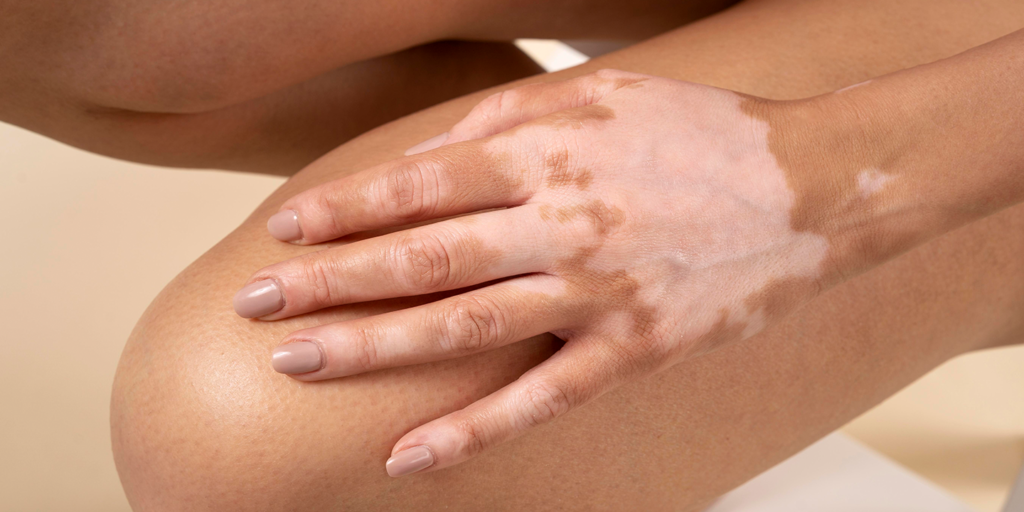
White Spots on Skin are most often linked to one of four conditions: vitiligo, which involves an autoimmune loss of pigment; tinea versicolor, a common fungal infection; idiopathic guttate hypomelanosis, which causes small sun-related spots associated with aging; or pityriasis alba, a mild eczema-related fading seen mostly in children and teens. The likely cause depends on the spots’ size, texture, location, and whether they are flaky, itchy, or completely smooth.
None of these conditions are usually dangerous, but they look different enough from each other that figuring out which one you’re dealing with is the first step toward treating it, or simply leaving it alone.
Comparing the Most Common Causes
| Condition | Appearance | Common Areas | Contagious? |
|---|---|---|---|
| Vitiligo | Smooth, milky-white patches, often symmetrical | Hands, face, around eyes/mouth, joints | No |
| Tinea versicolor | Small, scaly patches, may be pink, tan, or white | Chest, back, shoulders | Not typically; it’s an overgrowth of normal skin yeast |
| Idiopathic guttate hypomelanosis | Tiny, flat, porcelain-white spots, 2-5mm | Shins, forearms (sun-exposed areas) | No |
| Pityriasis alba | Faint, slightly scaly, light patches | Face, upper arms (common in children) | No |
A Closer Look at Each Condition
Vitiligo: This happens when the cells that produce skin pigment (melanocytes) are mistakenly attacked by the immune system. Patches tend to grow slowly over months or years, are usually well-defined, and don’t itch or flake. It can appear at any age but often starts before 30.
Tinea versicolor: Caused by an overgrowth of yeast (Malassezia) that naturally lives on everyone’s skin. Heat, humidity, and oily skin make it more likely to flare. Spots often become more noticeable after tanning, since the affected skin doesn’t darken along with the rest.
Idiopathic guttate hypomelanosis: Linked to cumulative sun exposure and aging, these tiny white spots typically show up after age 40 and are considered a cosmetic, age-related change rather than a medical concern.
Pityriasis alba: A mild form of eczema that leaves behind temporary lighter patches after the inflammation fades, most common in children with a history of dry or sensitive skin. It usually resolves on its own over months.
When White Spots Need Medical Attention
Most white spots are harmless, but a few signs suggest it’s worth getting a professional opinion rather than waiting to see what happens.
- Spots that spread rapidly or change shape over a few weeks
- Patches accompanied by numbness, tingling, or loss of sensation
- New spots appearing alongside other symptoms like fatigue or joint pain
- Any spot that bleeds, becomes raised, or changes texture significantly
Loss of sensation paired with white patches is an uncommon but important symptom to flag, since certain rare skin and nerve conditions can present this way.
General Treatment and Management Options
| Condition | Typical Approach |
|---|---|
| Vitiligo | Topical corticosteroids, light therapy, or specialist referral; sunscreen to protect unpigmented skin |
| Tinea versicolor | Antifungal shampoos, creams, or oral antifungals for widespread cases |
| Idiopathic guttate hypomelanosis | No treatment needed medically; sun protection helps prevent new spots |
| Pityriasis alba | Gentle moisturizers, mild topical steroids if itchy; usually fades with time |
Everyday Prevention Tips
- Wear sunscreen daily, since UV exposure worsens contrast on existing white spots and contributes to age-related ones
- Keep skin dry and breathable in hot weather to reduce yeast overgrowth linked to tinea versicolor
- Moisturize regularly if you have a history of eczema or dry, sensitive skin
- Avoid harsh scrubbing or skin-lightening products on existing spots, which can worsen irritation
Quick Answers
Can stress cause white spots on skin? Stress doesn’t directly cause them, but it’s been linked to triggering or worsening vitiligo flare-ups in some people through its effect on the immune system.
Do white spots from tinea versicolor go away permanently? With antifungal treatment, the yeast overgrowth clears, but it can take weeks to months for skin tone to fully even back out, and recurrence is common in warm climates.
Is vitiligo the same as albinism? No. Albinism is a genetic condition present from birth affecting pigment throughout the body, while vitiligo develops later in life and affects specific patches of skin.


